Well-Paid UK Careers Without a Degree
A degree is not the only way into a well-paid UK career. This guide ranks the roles you can reach through apprenticeships, vocational licences and employer-run academies instead of a three-year university degree: train drivers, air traffic controllers, software developers, electricians, gas engineers, HGV drivers and sales roles. The benchmark for everything below is the Office for National Statistics: median gross annual pay for a full-time UK employee was £40,911 in April 2026 (ONS Annual Survey of Hours and Earnings 2026, provisional, published 22 October 2026). Every role in this guide sits at or above that line on its median: but read the medians, not just the top-end figures. The top of a pay range is what experienced people at the busiest operators earn, not what a beginner takes home. Figures here are medians for employees on PAYE; self-employed tradespeople are not counted in the ONS survey, so a self-employed electrician or plumber can earn more, or less, than the employee median. Read our companion step-by-step UK career guide or browse more benchmarks inside Best Jobs.
What You Need Instead of a Degree
None of these roles asks for a degree, but every one of them asks for something specific: and the selection is often harder than a university application. The common baseline is GCSE maths and English. Beyond that, each route has its own ticket. Electricians need an NVQ Level 3 in Electrical Installation and the AM2 assessment, which together lead to a JIB Gold Card. Gas and heating engineers need Gas Safe registration, which means passing ACS assessments for each appliance type they work on. HGV drivers need a Category C+E licence and a Driver CPC qualification. Train drivers come in through a Level 3 Train Driver Apprenticeship or a direct trainee post run by a train operating company, and the process includes aptitude tests, a medical and a rules exam. Air traffic controllers join NATS on a Level 5 apprenticeship: you must be 18 or over, hold five GCSEs at grade 4 including English and maths, pass a Class 3 medical and security clearance, and get through aptitude testing and an assessment centre. Software developers can come in through a Level 4 or Level 6 digital apprenticeship, or on the strength of a portfolio and practical tests: employers in tech routinely hire without a degree, but they do test what you can actually build.
The Highest-Paying No-Degree Jobs, Ranked
1. Train Driver (Qualified)
The ONS puts median gross annual pay for full-time train and tram drivers at £76,327 (ASHE 2025, Table 14.7a): the highest median of any role in this guide. That annual figure includes overtime, rest-day working and back pay, and it jumped 19.3% on the year, so treat the exact number with care. Trainees earn £28,000 to £35,000 during 12 to 18 months of training, newly qualified drivers typically earn £42,000 to £52,000, and experienced drivers earn £50,000 to £65,000 or more depending on the operator, with London Underground drivers at £70,000 to £72,000.
2. Air Traffic Controller (NATS)
NATS publishes its pay by stage at 2026 rates. Trainees earn a package of £34,611.60 a year in basic training (£25,500 basic salary plus a £9,111.60 accommodation allowance). In unit training that rises to about £37,490 to £42,786 including shift allowance, depending on location. Once validated, controllers earn £50,468 to £56,247 depending on the unit. Senior controllers at the busiest units can earn over £100,000 including shift pay. No degree is required: selection is by aptitude, assessment centre and medical.
3. Software Developer (Apprenticeship Route)
Programmers and software development professionals had a median full-time salary of £59,863 in April 2026 (ONS ASHE 2026, Table 14), with the top 10% earning over £114,051 and the bottom 10% under £33,352. A Level 4 or Level 6 apprenticeship gets you in without a degree, and pay rises fast with experience and specialism: cloud, security and data work pays at the top end.
4. Electrician
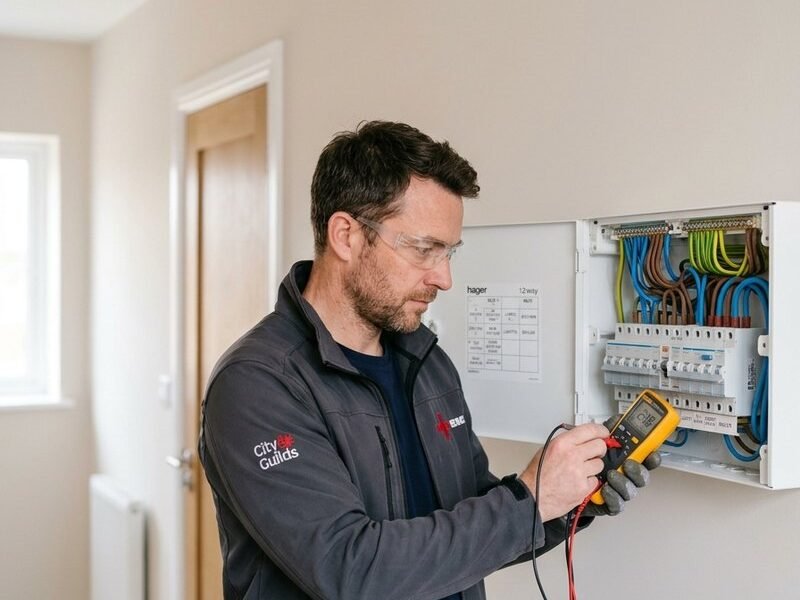
Electricians and electrical fitters had a median full-time salary of £40,717 in April 2026 (ONS ASHE 2026, Table 14), with the top 10% earning over £60,164. The route is an apprenticeship to NVQ Level 3 plus the AM2, then a JIB Gold Card. Commercial and industrial work pays more than domestic, and self-employed electricians can earn well above the employee median.
5. Gas & Heating Engineer
Plumbers and heating and ventilating engineers had a median full-time salary of £39,179 in April 2026 (ONS ASHE 2026, Table 14). The route is a plumbing and heating qualification plus Gas Safe registration, with extra ACS assessments for boilers, cookers and fires. Heat-pump and low-carbon heating work is growing as the UK moves away from gas boilers.
6. HGV Driver
Large goods vehicle drivers had a median full-time salary of £41,735 in April 2026 (ONS ASHE 2026, Table 14). The route is a Category C licence, then C+E, plus the Driver CPC. Pay varies by what you haul and when you drive: nights and weekends add shift premiums, and tanker or hazardous-goods work pays more than general haulage.
7. B2B Sales Executive
The honest position first: there is no ONS median for this role, because pay is mostly commission. Employers advertise on-target earnings, and the top end of those adverts looks very high. Treat advertised OTE figures with scepticism: they describe what a top performer might earn, not what a typical rep takes home. The route in is usually a sales development or account executive role, and the skill that pays is a track record of closing deals, not a qualification.
Training Time & Costs
Most of these routes pay you while you train, which is the whole point. NATS basic training takes about 12 to 15 months, then you validate at your unit over the following year or two. Train driver training takes 12 to 18 months, salaried, through an apprenticeship or a direct trainee post. An electrical apprenticeship takes around four years to NVQ Level 3 and the AM2. A software apprenticeship runs two to four years depending on the level. HGV training is the fastest route on this list, weeks rather than years, but it is the one you are most likely to pay for yourself: self-funded Category C+E training and the Driver CPC typically cost a few thousand pounds, and many drivers get it funded by taking a warehouse or driving job with a logistics employer first. Apprenticeships and the NATS and train-driver academies are employer-funded and salaried, so you are not paying tuition. One cost people forget is the medical and the licence itself: HGV drivers pay for their medical and provisional licence, and air traffic controller applicants go through a Class 3 medical before they start.
Where & How to Apply
Start with the employer, not a job board. NATS recruits trainee controllers through NATS Early Careers, and train operating companies advertise trainee driver posts on their own careers pages: Avanti West Coast, GWR, LNER, Southeastern, ScotRail and the rest all run their own schemes, and they open in waves rather than all year round. Apprenticeships in electrical installation, plumbing and heating, and digital roles are listed on GOV.UK’s Find an apprenticeship service, and the JIB and the Gas Safe Register list registered employers and engineers. HGV work comes through logistics employers and specialist driving agencies, and it is worth checking whether the employer funds the C+E licence before you pay for it yourself. For software, apply directly to employers running digital apprenticeships, large banks, consultancies and public-sector bodies all run them, and build a small portfolio of real projects, because that is what interviewers actually look at. For sales, look for sales development representative roles at B2B software and services firms; they are the standard entry point and they hire on attitude and communication, not qualifications.
Pay During Training vs After Qualifying
The gap between training pay and qualified pay is the whole bet these careers ask you to make, and it is a good one in most cases here. A NATS trainee earns a £34,611.60 package from day one of basic training and £50,468 to £56,247 once validated: a jump of roughly half in two to three years. A train driver trainee earns £28,000 to £35,000 and an experienced driver £50,000 to £65,000 or more. An electrical apprentice earns an apprentice wage for the first years and reaches the £40,717 median once qualified, with the top 10% over £60,164. A software apprentice starts lower and can reach the £59,863 median within a few years of qualifying, with the top 10% over £114,051. Put against the UK full-time median of £40,911 (ONS ASHE 2026, April 2026), the picture is clear: qualified train drivers and software developers sit well above the national median, electricians, gas engineers and HGV drivers sit around it, and air traffic controllers pass it on validation. The exception is sales, where there is no reliable median at all: the range is genuinely wide, from modest base salaries to very high commission years, and the risk sits with the individual.
| Role | During training | Once qualified (median or typical range) |
|---|---|---|
| Train driver | £28,000–£35,000 | £76,327 median (ONS ASHE 2025); experienced £50,000–£65,000+ |
| Air traffic controller (NATS) | £34,612 package | £50,468–£56,247; senior £100,000+ at busiest units |
| Software developer | Apprentice wage | £59,863 median (ONS ASHE 2026); top 10% over £114,051 |
| Electrician | Apprentice wage | £40,717 median (ONS ASHE 2026); top 10% over £60,164 |
| Gas & heating engineer | Apprentice wage | £39,179 median (ONS ASHE 2026) |
| HGV driver | Training (weeks) | £41,735 median (ONS ASHE 2026) |
Long-Term Career Progression
The ladder in these careers is a ticket, then a specialism, then either a senior employed role or your own business. An electrician goes from apprentice to qualified installer to approved electrician, then into commercial work, inspection and testing, or running their own firm. A gas engineer adds heat pumps and renewables as the market shifts. An HGV driver moves from general haulage to tanker or hazardous goods, then to transport management or owner-driving. A train driver can become a driver manager or instructor, and those roles pay over £75,000. An air traffic controller gains endorsements for busier airspace and moves up the unit pay scale. A software developer moves from junior to senior to lead or architect, and the pay jump at each step is large: the difference between the median and the top 10% in this occupation is over £54,000 a year. The honest caveat is that the top end is not the typical experience: the median is the middle, which means half of people in the role earn less than it. Progression depends on getting the next ticket, the next endorsement or the next specialism, not on time served. And for the trades especially, the biggest pay decision is whether to stay employed or go self-employed: self-employment can pay more, but it brings van, tools, insurance, quiet weeks and no sick pay, and none of that shows up in the ONS medians.
Recommended Next Reads: How much does an electrician earn in the UK? · How to become a software developer with no degree · How much does an HGV driver earn in the UK?
Questions about well-paid jobs without a degree
What is the single highest-paying UK job with no degree?
On ONS medians, train drivers: median gross annual pay of £76,327 for full-time train and tram drivers (ASHE 2025, Table 14.7a), though that figure includes overtime and back pay and should be read with care. Senior air traffic controllers at the busiest NATS units can earn over £100,000 including shift pay, and the top 10% of software developers earn over £114,051: but those are the top of the range, not the typical pay.
Are train driver jobs realistic to get without rail experience?
Yes. Train operating companies regularly recruit from customer service, bus driving and armed forces backgrounds, and the entry route is an apprenticeship or a direct trainee post. Competition is fierce, trainee vacancies attract very large numbers of applicants, so expect aptitude tests, a medical and a long wait between application and start date.
How much do apprentices earn while training?
It depends on the route. NATS trainees earn a £34,611.60 package from day one, and train driver trainees earn £28,000 to £35,000. Standard apprenticeships pay less: the apprentice rate of the National Minimum Wage is £8.00 an hour from 1 April 2026, for apprentices under 19 or in the first year of their apprenticeship, but most employers in these trades pay above it.
Can you really earn £100,000 a year without a degree?
In a handful of roles, yes: senior air traffic controllers at the busiest units, top software developers, and the best-paid sales people. But the medians tell the more honest story: £40,717 for electricians, £41,735 for HGV drivers, £59,863 for software developers and £76,327 for train drivers (ONS ASHE 2025/2026). Plan on the median, not the maximum.
Sources and how we checked these figures
Cited Public Sources (November 2026)
- ONS: Employee earnings in the UK: 2026 (ASHE, provisional, published 22 October 2026)
- ONS: Earnings and working hours (ASHE 2025)
- Prospects: Air traffic controller (NATS pay stages)
- Debut Careers: Air traffic controller salary UK 2026/27 (NATS published rates)
- SalaryMate: Train driver salary UK 2026 (ONS ASHE 2025, Table 14.7a)
- ONS ASHE 2026, Table 14 occupation medians (via Average Salary World salary checker)
- GOV.UK: National Living Wage increases to £12.71 per hour (April 2026 rates)
All pay figures are medians or published ranges for employees, verified as of November 2026, and reflect averages/ranges rather than guaranteed outcomes. ONS ASHE covers employee jobs on PAYE, not self-employed earnings.
Related UK Career Guides
 6–12 Months
How to become a software developer with no degree
UK Degree Apprenticeships (Level 4/6) and government-funded Skills Bootcamps let non-graduates break into £32K–£40K junior tech roles without £27K+ university debt.
 £39,179
How much does a plumber earn in the UK?
Employed plumbers typically earn £31,656–£45,451, while Gas Safe registered heating engineers and sole traders routinely exceed £55K–£65K before expenses.
 £76,038–£114,743
How much does a GP earn in the UK?
Salaried NHS GPs earn £76,038–£114,743 full-time equivalent, while GP Partners sharing practice profits median £151,200.